

The Entourage Effect: How Cannabinoids and Terpenes Work Together
Understanding cannabis means looking beyond individual compounds to appreciate how they work in concert. The entourage effect describes how cannabinoids and terpenes synergistically interact to enhance therapeutic benefits. Let's explore the science behind this fascinating phenomenon.
The Foundations of the Entourage Effect
The entourage effect was first proposed by raphael Mechoulam and Shimon Ben-Shabat in 1998. Their groundbreaking research suggested that botanical drugs were often more effective than their isolated components. With cannabis, this means the plant's full spectrum of compounds works better together than isolated THC or CBD alone.
Key Synergistic Relationships
THC + CBD
The most well-documented synergy occurs between THC and CBD. CBD moderates THC's psychoactive effects while enhancing its therapeutic properties:
Sponsored Content
- CBD reduces THC-induced anxiety and paranoia
- CBD extends THC's pain-relieving properties
- Together they provide stronger anti-inflammatory effects
- CBD helps counteract THC's short-term memory impairment
Cannabinoids + Terpenes
Myrcene + THC
- Myrcene increases blood-brain barrier permeability
- Enhances THC absorption and potency
- Contributes to the sedative effects of indica strains
- Optimal ratio: Myrcene content above 0.5%
Limonene + CBD
- Enhances CBD's anxiety-reducing properties
- Improves mood through serotonin modulation
- Increases absorption of other terpenes
- Creates an energizing, focus-enhancing effect
Beta-Caryophyllene + CBG
- Activates CB2 receptors for enhanced anti-inflammatory effects
- Strengthens CBG's neuroprotective properties
- Improves gastrointestinal benefits
- Creates powerful entourage effect for pain relief
The Mechanism Behind the Magic
The entourage effect works through multiple pathways:
- Receptor Interaction
- Different compounds target various receptors (CB1, CB2, TRPV1)
- Simultaneous activation creates balanced effects
- Some compounds modify how others bind to receptors
- Metabolic Enhancement
- Certain terpenes slow the breakdown of cannabinoids
- This extends their therapeutic duration
- Improves bioavailability and absorption
- Complementary Effects
- Different compounds address multiple symptoms
- Creates more comprehensive therapeutic benefits
- Reduces side effects through balanced action
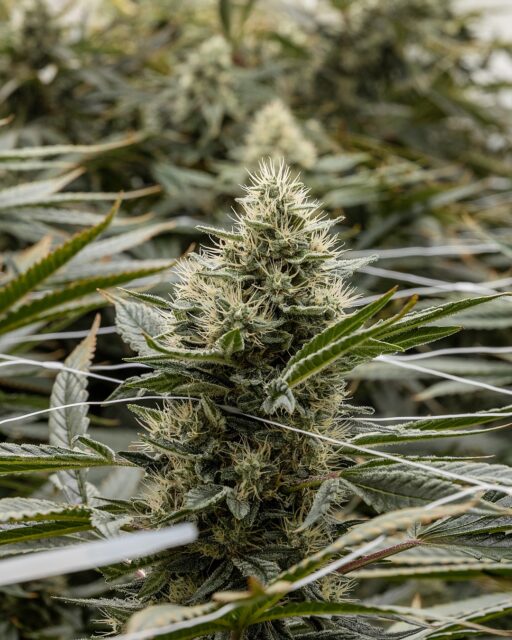
“This type of synergism may play a role in the widely held view that in some cases plants are better drugs than the natural products isolated from them.”
– Raphael Mechoulam & Shimon Ben-Shabat
Practical Applications
Understanding the entourage effect helps in selecting cannabis products:
Full-Spectrum Products
- Contain all naturally occurring compounds
- Preserve synergistic relationships
- Generally more effective than isolates
Broad-Spectrum Products
- Include multiple cannabinoids and terpenes
- THC-free options available
- Maintain most entourage benefits
Strain Selection
- Consider terpene profiles alongside THC/CBD content
- Match profiles to desired effects
- Look for complementary compound combinations
Supporting Research
Recent studies continue to validate the entourage effect:
- 2019 Breast Cancer Study
- Full-spectrum CBD showed superior results compared to CBD isolate
- Required lower doses for equivalent effects
- Demonstrated broader therapeutic window
- 2020 Pain Management Research
- Combined THC-CBD preparations more effective than THC alone
- Patients reported better outcomes with full-spectrum products
- Lower side effect profile observed
Future Implications
The entourage effect continues to influence cannabis research and product development:
- Strain Development
- Breeding for specific cannabinoid-terpene ratios
- Targeting particular therapeutic outcomes
- Creating more predictable effects
- Product Formulation
- Moving beyond THC percentage as sole metric
- Developing precise compound combinations
- Improving therapeutic efficiency
References
- Mechoulam R, Ben-Shabat S. (1998). An entourage effect: inactive endogenous fatty acid glycerol esters enhance 2-arachidonoyl-glycerol cannabinoid activity
- Russo EB. (2011). Taming THC: potential cannabis synergy and phytocannabinoid-terpenoid entourage effects
- Ferber SG, et al. (2020). The “Entourage Effect”: Terpenes Coupled with Cannabinoids for the Treatment of Mood Disorders and Anxiety Disorders
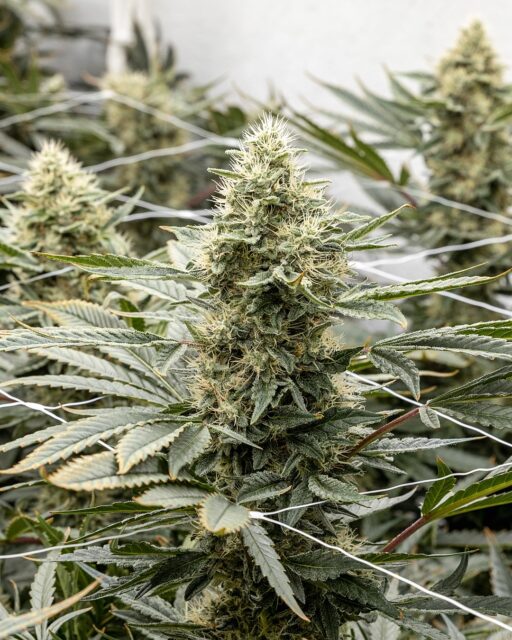
“This type of synergism may play a role in the widely held view that in some cases plants are better drugs than the natural products isolated from them.”
– Raphael Mechoulam & Shimon Ben-Shabat
Practical Applications
Understanding the entourage effect helps in selecting cannabis products:
Full-Spectrum Products
- Contain all naturally occurring compounds
- Preserve synergistic relationships
- Generally more effective than isolates
Broad-Spectrum Products
- Include multiple cannabinoids and terpenes
- THC-free options available
- Maintain most entourage benefits
Strain Selection
- Consider terpene profiles alongside THC/CBD content
- Match profiles to desired effects
- Look for complementary compound combinations
Supporting Research
Recent studies continue to validate the entourage effect:
- 2019 Breast Cancer Study
- Full-spectrum CBD showed superior results compared to CBD isolate
- Required lower doses for equivalent effects
- Demonstrated broader therapeutic window
- 2020 Pain Management Research
- Combined THC-CBD preparations more effective than THC alone
- Patients reported better outcomes with full-spectrum products
- Lower side effect profile observed
Future Implications
The entourage effect continues to influence cannabis research and product development:
- Strain Development
- Breeding for specific cannabinoid-terpene ratios
- Targeting particular therapeutic outcomes
- Creating more predictable effects
- Product Formulation
- Moving beyond THC percentage as sole metric
- Developing precise compound combinations
- Improving therapeutic efficiency
References
- Mechoulam R, Ben-Shabat S. (1998). An entourage effect: inactive endogenous fatty acid glycerol esters enhance 2-arachidonoyl-glycerol cannabinoid activity
- Russo EB. (2011). Taming THC: potential cannabis synergy and phytocannabinoid-terpenoid entourage effects
- Ferber SG, et al. (2020). The “Entourage Effect”: Terpenes Coupled with Cannabinoids for the Treatment of Mood Disorders and Anxiety Disorders